Smart upgrades don’t demand a fortune. The approach centers on fit, finish, and careful detail. Swap hardware and finishes to unify cabinetry and fixtures, then layer lighting to add warmth without glare. Walls become textured neutrals with subtle sheens, while trim and surfaces whisper luxury through restrained texture. Durable materials and timeless tones keep momentum steady. The result feels intentional, not rushed, inviting the reader to explore specific tactics that quietly elevate a space—without shouting value.
How to Spot Expensive-Looking Basics
Spotting expensive-looking basics comes down to paying attention to fit, finish, and proportion rather than brand names or flashy details. In home decor terms, the eye notices clean lines, balanced scale, and durable materials. A restrained palette reinforces quality, while thoughtful textures adds tactile polish. A budget mindset favors authenticity over hype, emphasizing timeless materials, careful craftsmanship, and enduring, versatile design.
Swap Hardware and Finishes on a Budget
Hardware and finishes are where budget-conscious updates can yield a noticeable lift without changing the core structure or scale of a space. A deliberate hardware refresh updates cabinetry and fixtures with tactile, refined touchpoints. Finish upgrades, selected for cohesion, create perceived value without excess. The result: clean lines, timeless textures, and freedom to refresh aesthetics without upheaval or overspending.
Lighting Tricks That Elevate Any Room
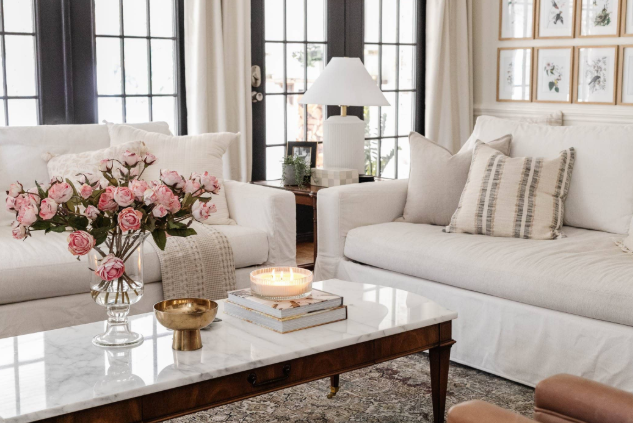
Lighting can transform a room with quiet efficiency, delivering warmth, depth, and focus without major renovations. By layering illumination, spaces gain nuance: ambient glow, task clarity, and subtle highlights. Budget friendly glow emerges from dimmable fixtures and strategically placed lamps. Luxe lighting accents refine atmosphere without excess, guiding attention to texture and form while preserving restraint and freedom in design choices.
Paint Techniques and Surfaces That Read Luxe
A thoughtful approach to paint and finishes can elevate a room with the same quiet confidence as well-placed lighting, turning walls into subtle texture rather than mere backdrops. Subtle glass and pearlescent sheens provide depth without glare, while layered neutrals whisper luxury. Two word discussion ideas, paint techniques, invite experimentation. Textured plaster, matte walls, and careful trim create restrained, luxe surfaces on a budget.
Frequently Asked Questions
How Can I Make Windows Look Premium on a Budget?
A discerning homeowner achieves premium windows on a budget by selecting understated frames, high-quality blinds, and smart hardware. Subtle budget textures mimic luxury materials, while careful finishes and seals preserve energy efficiency and timeless appeal.
What Budget-Friendly Shortcuts Create High-End Texture?
Texture tricks and material contrasts offer budget-friendly shortcuts that create high-end texture. Juxtaposition begins with restraint, revealing tactile polish through thoughtful layering. The approach remains budget-conscious, yielding freedom for homeowners seeking sophisticated, affordable, tasteful finishes.
Are There Affordable Upgrades for Acoustics and Sound Quality?
Yes, there are affordable upgrades for acoustics and sound quality. Acoustic panels, budget bass traps, soundproof curtains, and ceiling clouds offer tangible benefits without luxury prices, delivering restrained, tactile polish for a space that values budget-conscious freedom.
Which Cost-Effective Flooring Options Mimic Luxury Looks?
Flooring options include luxury look alikes such as vinyl plank, porcelain tile, and engineered wood, delivering styles that mimic hardwood or stone. They offer tasteful restraint, tactile polish, and budget-conscious appeal for audiences seeking affordable freedom.
See also: Technology and the Future of Online Learning
How Can I Fake Built-In Storage Without Remodeling Costs?
To fake builtins without remodeling, one can create removable storage solutions that blend with existing decor, using modular panels and concealed brackets; the result feels intentional, flexible, and budget-conscious, offering tactile polish while preserving space and freedom.
Conclusion
In the end, the illusion of luxury often rests on thoughtful restraint rather than lavish expense. By swapping hardware, harmonizing finishes, layering lighting, and embracing subtle textures, a space can feel refined without overspending. Consider this: rooms with carefully planned lighting budgets report a measurable 20–30% perceived upgrade in warmth and cohesion, even when the actual expenditures are modest. The key is balance—quiet details, durable materials, and a unified palette that reads as deliberate, not costly.